
Education

Caring for Your GSD
Adopting a German Shepherd is an incredibly rewarding experience, but it also comes with unique challenges. These intelligent, loyal dogs often carry emotional and physical baggage from their past, and helping them adjust to a safe, loving environment requires patience, consistency, and understanding. From building trust to meeting their exercise and training needs, the first few weeks are critical in setting the foundation for a happy, healthy life together. In this guide, we’ll walk you through essential steps to ensure your new companion feels secure and thrives in their forever home.
Rescued Dogs Form Deep Bonds
Dogs who have been uprooted from their homes or endured neglect often develop incredibly strong attachments to their new families. After experiencing loss and uncertainty, they crave stability and affection. Once they feel safe, they tend to be eager to please and deeply loyal, determined never to face homelessness again.
Tip: Be patient during the adjustment period. Your rescue may need time to trust, but the reward is a lifelong bond.
Debunking Rescue Dog Myths
Many people assume rescue dogs are “problem dogs” or genetically inferior. In reality, rescues often take in well-bred dogs surrendered by owners who underestimated the responsibility of pet ownership. Good rescue organizations carefully evaluate each dog—medically and behaviorally—rehabilitate when needed, and match them with homes prepared for the commitment.
Tip: Prior to adopting, ask the rescue and/or foster about the dog’s history and any rehabilitation steps taken. This helps you understand their needs and set realistic expectations.
Building Trust and Security
The first few weeks are critical for establishing trust. Your GSD may be anxious or unsure, so create a calm environment with predictable routines.
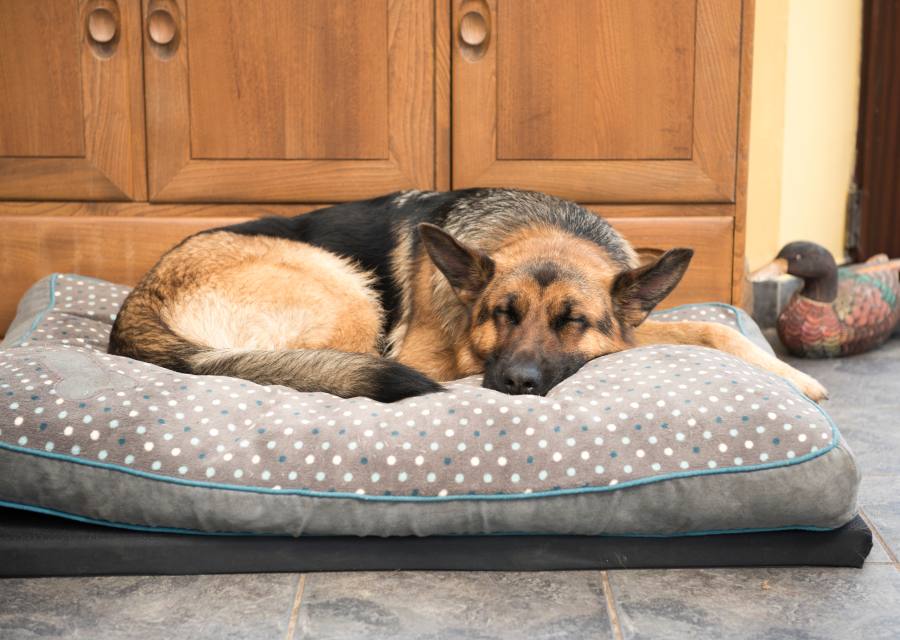
- Provide a safe space: Set up a quiet area with a bed and toys where your dog can retreat.
- Use a leash inside: Attaching the dog to you in the home ensures he stays out of trouble until he learns the house rules. This keeps you in contact with your dog and he with you.
- Use positive reinforcement: Reward calm behavior and avoid punishments, yelling, and hitting.
- Keep interactions gentle: Let your dog approach you rather than forcing attention. Regular gentle touch—like petting during meals, brushing, or finding favorite scratch spots—offers comfort and builds trust with your dog.
Tip: Consistency is key. Stick to regular feeding, walking, bathroom and bedtime schedules.
Training Basics for Rescued GSDs
German Shepherds are highly intelligent and thrive on structure. Start with basic obedience training to build confidence and strengthen your bond. Don’t expect too much too soon – two days is not enough for your dog to get the message. A week’s time of consistent practice would set the pace but you will still have to follow it up by maintaining the skills that have been learned. More training tips are offered below.
- Start simple: Commands like sit, stay, and come help establish communication.
- Socialize gradually: Introduce new people and pets slowly to avoid overwhelming your dog.
- Take an obedience class: An obedience class is the best way for new owners to build communication, bond with their dog, and safely begin socialization—choose a professional, positive-reinforcement trainer.
- Consider professional help: If your dog shows signs of fear or aggression, a certified trainer can guide you.
Tip: Keep training sessions short and positive—end on a success!

Health Care Essentials
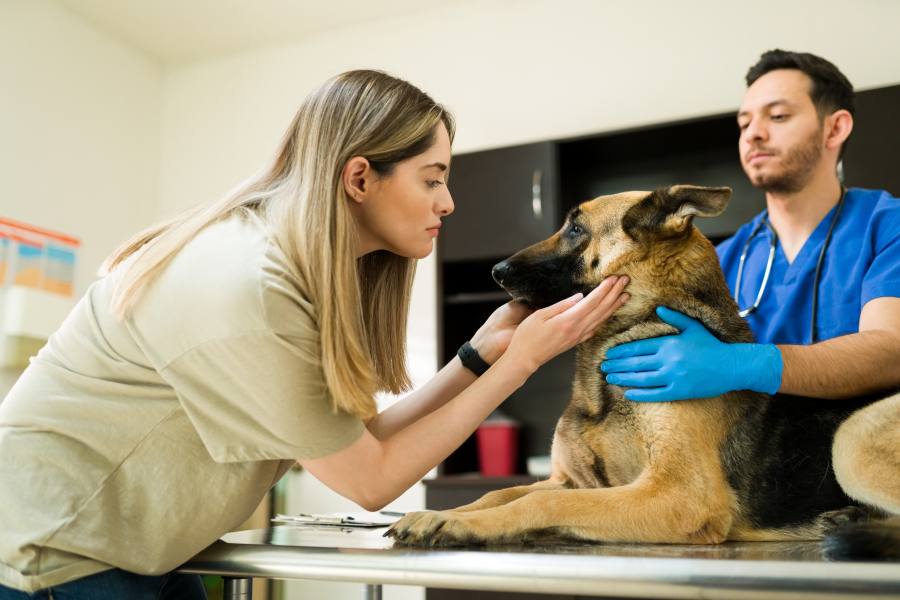
Rescued dogs have varying medical histories, so a vet visit should be your first step.
- Schedule a full check-up: Include vaccinations, parasite screening, and dental care.
- Discuss diet: GSDs need high-quality food for joint and coat health.
- Monitor for stress-related issues: Anxiety can manifest as digestive problems or skin conditions.
- Health concerns: GSDs are prone to certain health issues such as bloat, hip dysplasia, and degenerative myelopathy. Research these issues and speak to your vet. You can also learn more here.
Tip: Ask your vet about supplements for joint health, especially if your dog is older.
The 3-3-3 Rule
The 3-3-3 rule is sometimes referred to as the “rescue dog honeymoon period.” If you’ve ever started a new job or moved to a new school, you know the feeling of being in an unfamiliar place, new surroundings, new people, and new rules. This is how your dog feels as they adjust to their new home.
3 Days: Decompression
During the first few days, your dog is likely overwhelmed, nervous, and unsure. Don’t expect too much right away. They might not eat or drink much and could be scared or unsure about their new environment.
During this time, potty accidents may occur due to stress or they might hide or be very cautious around you and your family. Alternatively, they might test boundaries to see what they can get away with, similar to a teenager. Keep a leash on your dog at all times in the house so you can manage them without any issue.
3 Weeks: Learning the Routine
By now, your dog will typically start to settle in, feeling a little more comfortable and beginning to understand their new routine. They may start to show their true personality and begin to trust you more.
3 Months: Feeling at Home
This is when transformation shines. Your dog may start to trust you and feel secure in their new home. They may begin to settle into a routine and become comfortable with their environment. This period is when you will see your dog’s true personality and begin to build a deeper bond.

Training FAQs
How to motivate And reward during training?
Positive reinforcement focuses on motivation, creating situations where your dog naturally wants to do what you ask. Praise and reward desired behaviors, avoid punishment—which can cause stress and hinder learning—and start training once your GSD feels settled. With consistency and rewards, your dog will quickly learn cooperation and become a happy, well-adjusted family member.
What are some types of rewards?
- Food treats: These are very effective because they are convenient and highly motivating.
- Use small, low-calorie treats that are easy to eat quickly so your dog doesn’t get full or distracted.
- Examples include small pieces of hot dogs, cheese, or commercial training treats.
- You can also use healthy options like cut-up fruits or vegetables, but some dogs prefer high-value training treats.
- Verbal praise: Enthusiastic praise, such as “good boy” or “yes,” is a free and immediate reward.
- Use a happy and encouraging tone of voice.
- Physical affection: Many dogs love being petted, scratched, or receiving a belly rub.
- This can be a great reward, but may be better for reinforcing known behaviors than for teaching new ones, as it can be distracting.
- Toys and playtime: Some dogs are highly motivated by their favorite toys.
- Reward with a quick game of tug-of-war or fetch.
- You can even save their favorite toys and only bring them out for training sessions to increase their value as a reward.
- “Life rewards”: You can use everyday opportunities as a reward.
- Reward with a walk after your dog behaves well during training.
- Give them the “life reward” of going outside to sniff or play in the yard for a job well done.
- Allowing them to go through a door first can be a reward for waiting politely.
Why is timing important?
Timing is critical in dog training because it’s the key to helping your dog understand what behavior you want to reinforce or discourage. A reward or correction must be delivered within a very narrow window, ideally 1 to 1.3 seconds, to create a clear association between the behavior and the feedback. Poor timing can confuse a dog, leading them to associate the reward or correction with the wrong action.
Why is it important to keep training short?
Keeping dog training sessions short (between 5-15 minutes) is important because dogs have short attention spans and can become fatigued or frustrated during long sessions. Shorter, frequent sessions are more effective at building momentum and can lead to faster learning by keeping your dog engaged, motivated, and eager to continue, ultimately strengthening your bond.
How do i end training on a high note?
Go back to a known command: After working on a challenging new behavior, ask your dog to perform a command they’ve already mastered, like “sit” or “down”.
Reward immediately: Give your dog a treat, praise, or a favorite toy to end the interaction positively.
Incorporate play: End the session with a fun activity like playing fetch or tug-of-war.
Keep it short and sweet: If you’re struggling, don’t push it. A short, successful session is better than a long, frustrating one.
Why does my dog not always respond to me?
In most cases, it is lack of motivation. People like to demand dogs to obey, but they don’t give a dog a reason to do so. Try to look at it from a dog’s point of view: “Why would I go to my handler if I’m having fun over here?”
You have to convince your dog that you are the center of the universe. Make sure you establish a good relationship, where anytime your dog comes to you, you make it worth it – give him food, play with him, give him affection, etc. Don’t yell at him when he finally comes to you, even though you may be frustrated. You are responsible for creating the environment around your dog.
What are some other outlets for training GSDs?
As your bond with your GSD strengthens, introduce challenges such as scent work, tracking, agility, obedience, rally, and lure coursing. GSDs are working breeds that need purpose, and these are all excellent outlets for their intelligence.
What are the most important foundations for training a GSD?
Positive Reinforcement: This is the most effective training approach. Reward desired behaviors immediately with high-value treats, enthusiastic praise, or play to encourage your GSD to repeat the action. Avoid harsh punishments, which can damage trust and lead to fear or aggression in this sensitive breed.
Consistency: German Shepherds thrive on clear structure and predictable boundaries. Use the same commands and rules every time, and ensure all family members do the same to avoid confusing the dog.
Socialization: Let your GSD settle in for a few weeks (see the 3-3-3 rule) before starting slow, controlled introductions to new sights, people, and vaccinated/well-socialized dogs. Create positive experiences by keeping interactions calm and brief, using praise and treats, and by gradually expanding their world through controlled outings like walks or professional classes rather than overwhelming environments like dog parks.
Patience and Persistence: Dogs learn at different paces, and GSDs may make mistakes or test boundaries. Stay patient and persistent, using short, engaging training sessions (5-15 minutes, two to three times a day) to maintain focus and prevent boredom
The Joys of Adopting a German Shepherd
Choosing a rescue dog won’t solve pet overpopulation alone, but it gives a deserving animal a second chance. Beyond doing a good deed, adopting a rescue can be one of the most rewarding decisions you’ll ever make. These dogs often become not just pets, but loyal family members who truly appreciate their new life.
Caring for a rescued German Shepherd requires patience, empathy, and commitment, but the bond you’ll build is unmatched. With love and consistency, your GSD will thrive and become a devoted companion for years to come.
Ready for the most rewarding challenge of your life? Check out our adoptable GSDs!